AI Meal Planning Checklist for Faster, Healthier Weeks
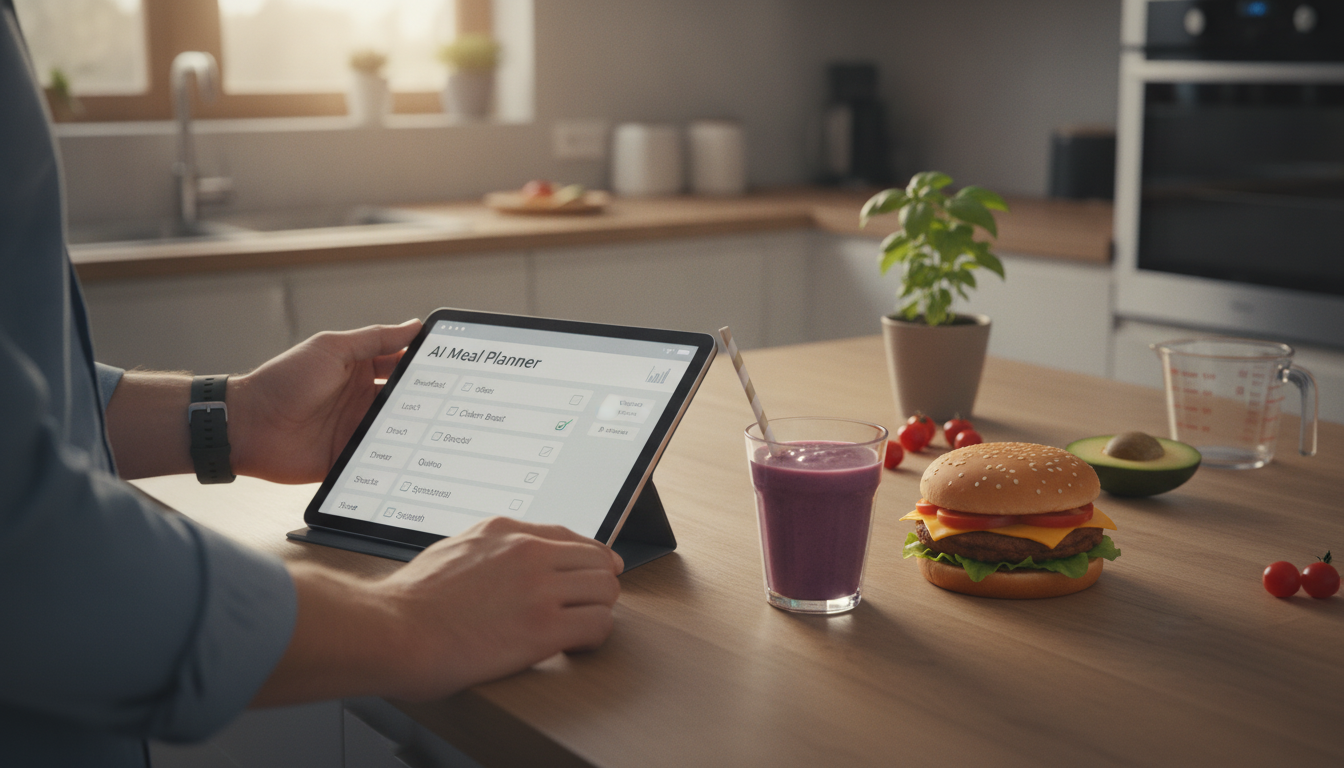
Smart Bites, Smarter Life: An AI Meal Planning Checklist for Faster, Healthier Weeks
Meal planning gets easier when decisions are standardized. A simple AI-assisted workflow can help map meals to real schedules, preferences, and pantry limits—so grocery trips are shorter, leftovers are intentional, and healthier choices happen by default. This guide breaks the process into a repeatable checklist, plus practical tips for turning AI suggestions into meals that fit budget, time, and nutrition goals.
What an AI-assisted meal plan actually does (and what it doesn’t)
An AI-assisted meal plan is best viewed as a practical organizer. You provide constraints, and it returns a structured menu plus a shopping list that matches those constraints.
- Turns a few boundaries—diet style, allergies, cooking time, budget, household size—into a weekly menu and grocery list you can actually execute.
- Reduces decision fatigue by reusing templates (weekday breakfasts, “two-pan dinners,” lunch leftovers) instead of reinventing every meal.
- Helps balance variety and repeatability by rotating proteins, cuisines, and vegetables across the week.
- Doesn’t replace judgment on food safety, medical nutrition needs, or accurate portion targets; use it as a planning assistant, not a clinician.
- Works best when paired with a consistent “input routine” (the same set of details provided each week).
If you want the workflow already organized into an easy weekly system, Smart Bites, Smarter Life | AI Meal Planning Checklist (Digital Download) is designed to keep your inputs, menus, and shopping lists consistent from week to week.
The quick-start checklist for a 20-minute weekly plan
Set a timer and run the same sequence every week. The goal isn’t perfection—it’s a plan that survives real life.
- Set the week’s boundaries: number of dinners to cook, nights for leftovers, one “flex” night, and any events that change timing.
- Choose a nutrition focus that’s easy to execute: add one extra vegetable serving per day, prioritize lean protein, or reduce sugary drinks.
- List non-negotiables: allergies, disliked ingredients, cultural preferences, kitchen tools available, and maximum cook time on busy nights.
- Inventory what’s already on hand: proteins in freezer, grains/pasta, canned goods, sauces, produce that needs using first.
- Pick 2–3 anchor meals that create planned leftovers (roast chicken, sheet-pan salmon, chili, tofu stir-fry) and build lunches around them.
- Ask for a grocery list grouped by store section and sized to household portions; request substitution options for out-of-stock items.
- Schedule prep in small blocks: 10 minutes to wash/chop vegetables, 10 minutes to cook a grain, 10 minutes to portion snacks.
- Do a final “reality check”: confirm the plan matches calendar constraints and uses perishable items before they spoil.
Weekly inputs that improve AI meal plans
| Input to provide | Example | Why it helps |
|---|---|---|
| Cook-time limit | Mon–Thu: 25 minutes; Fri: 45 minutes | Prevents unrealistic recipes on busy days |
| Diet constraints | High-protein, lower sodium; no peanuts | Reduces unsafe or off-goal suggestions |
| Budget target | $90/week for groceries | Encourages cost-conscious ingredient choices |
| Pantry/freezer inventory | 2 cans chickpeas, frozen broccoli, rice | Builds meals around what’s already available |
| Preferred flavors | Mediterranean + simple Asian sauces | Improves adherence by matching tastes |
| Leftover strategy | Cook 3 dinners + 2 leftover nights | Cuts cooking frequency without skipping meals |
How to turn suggestions into a workable weekly menu
The fastest weekly menus use a structure that makes shopping predictable and cooking repeatable.
- Use a “3–2–1” structure: 3 dinners cooked, 2 leftover or remix dinners, 1 simple pantry meal (omelet, tuna bowls, bean tacos).
- Assign meal types to days, not exact recipes: “sheet-pan night,” “stovetop stir-fry,” “slow cooker,” “salad + protein.” Then fill recipes in.
- Build ingredient overlap intentionally: one sauce used twice, one grain used for two lunches, one roasted vegetable used in a bowl and a wrap.
- Favor modular meals for households with different preferences: base + toppings (grain bowls, tacos, salad bars) to reduce separate cooking.
- Keep a “backup list” for disruptions: 3 ultra-fast dinners using shelf-stable staples plus one frozen option.
When you’re juggling more than meal planning—workflows, schedules, and recurring tasks—having a reusable AI routine helps. For broader organization ideas, Master Every Task with Claude AI (Guide) pairs well with a weekly planning mindset.
Save time with smart prep: small batches, not marathon cooking
Most “meal prep” fails when it tries to do everything at once. Instead, prep the components that unlock multiple meals.
Eat healthier without micromanaging numbers
Healthier weeks usually come from defaults you can repeat, not perfect tracking. Two reliable references are the USDA’s guidance at MyPlate and Harvard’s visual framework at The Healthy Eating Plate.
Common pitfalls and quick fixes
Using the Smart Bites, Smarter Life checklist as a weekly system
If you like digital checklists for other parts of life, Smart Home Upgrade Checklist (Digital Download) is another practical template built around quick decisions and repeatable steps.
FAQ
What details should be prepared before using AI for meal planning?
Have your schedule constraints, servings needed, cook-time limits, dietary needs/allergies, budget target, pantry/freezer inventory, and preferred cuisines ready. The more consistent your weekly inputs are, the more usable and realistic the plan becomes.
How can AI meal planning reduce food waste?
It helps prioritize perishables first, reuse overlapping ingredients across multiple meals, and assign a specific “remix” night so leftovers get eaten. Accurate portions and a categorized grocery list also reduce duplicate purchases and forgotten produce.
Is an AI-generated meal plan safe for medical diets?
For conditions like diabetes, kidney disease, celiac disease, or severe allergies, AI suggestions should be reviewed with a qualified clinician. AI can still help with logistics—schedules, grocery organization, and recipe ideas—while you follow professional medical guidance.







Leave a comment