Red Gradient Side-Print PBT Keycaps (Cherry, Shine-Through)
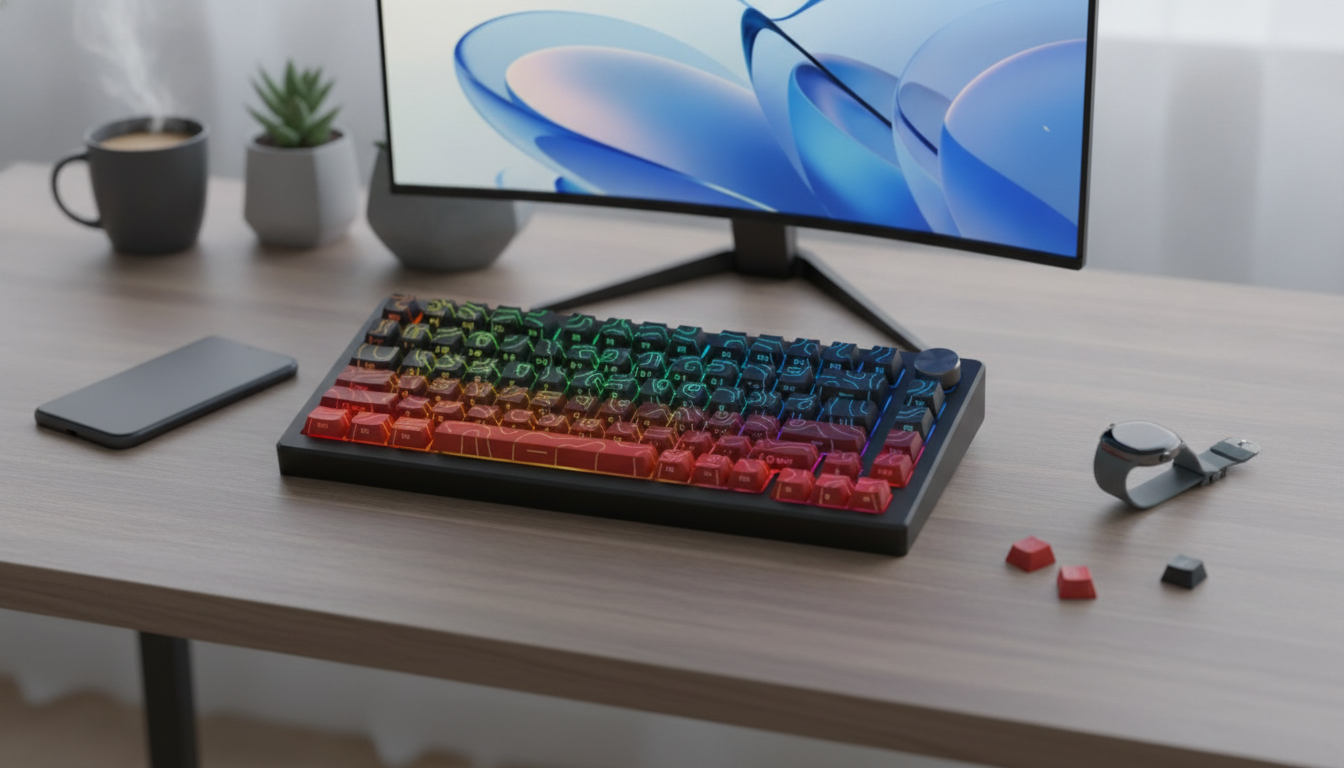
Red Gradient Side-Printed Shine-Through Keycaps in Cherry Profile (PBT)
A Cherry-profile PBT keycap set with a red gradient look, side-printed legends, and shine-through support is a simple way to refresh a mechanical keyboard without turning the whole desk into a neon sign. You get a clean top surface (no top-printed clutter), plus readable lighting from the front edge—especially useful for late-night sessions or dim rooms. For more guidance, see Project nGene.org® – Protocols (Study Note).
What Makes These Keycaps Different
This set is built around a few design choices that work together: color, legend placement, lighting, profile, and material. The result is a look that’s more “finished” than flashy, while still giving RGB a purpose. For further reading, see X98 Wireless Mechanical Keyboard, RGB Backlit Custom Gaming ….
- Red gradient styling adds depth and movement across the board without overpowering the rest of a setup.
- Side-printed legends keep the top face visually clean—great if you like a minimal surface when the keyboard is viewed from above.
- Shine-through legends help characters glow through the side window so keys remain readable with backlighting.
- Cherry profile keeps a familiar, sculpted shape that many typists and gamers already prefer.
- PBT construction focuses on durability and a more textured finish compared with many standard sets.
Material and Finish: Why PBT Matters
PBT is popular in the mechanical keyboard world for practical reasons. Over time, many keycaps can develop a smooth, glossy look where fingers hit most. PBT generally holds its texture longer, which helps the board feel consistent month after month.
- Better shine resistance: PBT keycaps typically resist developing a glossy “worn” surface compared with many ABS sets.
- More grip: a slightly grippier surface can improve control during quick repeats and rapid transitions.
- Sound character: depending on your case, plate, and switches, PBT can come across as deeper or more muted.
- Long-session stability: the texture tends to feel more consistent over time, which helps during extended work or gaming.
If you like digging into keycap materials and profiles, two reliable references are Keyboard University’s keycap overview and the Deskthority keycap profile wiki.
Side-Printed Shine-Through Legends: Lighting and Readability
Side legends are positioned to be seen from the user’s angle, while the tops stay clean and uniform. On a desk, that means the keyboard looks minimal from above, but remains functional when you’re actually seated and using it.
- User-angle visibility: side-printed legends are easiest to read from normal typing posture.
- LED alignment matters: shine-through works best when your board’s LED placement aligns well with the legend window.
- Brightness controls the vibe: high-intensity RGB makes legends pop; lower brightness gives a subtler edge glow.
- Hotspots can be more noticeable: uneven lighting can stand out more on side legends—fine-tune brightness and per-key color to balance.
Lighting Tips for Side-Printed Shine-Through Keycaps
| Scenario | Adjustment | Result |
|---|---|---|
| Legends look dim | Increase brightness or choose lighter per-key colors (white/cyan) | Improved contrast through the legend window |
| Legends look too bright | Lower brightness or use deeper colors (red/purple) | Less glare and a softer glow |
| Uneven lighting across rows | Use a uniform color profile and moderate brightness | More consistent legend visibility |
| Glare from strong LEDs | Angle keyboard feet lower or reduce brightness | Cleaner viewing angle with less reflection |
Cherry Profile Feel and Fit on Common Layouts
Cherry profile is sculpted, meaning each row has its own height and angle. That sculpt is a big reason it feels “natural” during long sessions—your fingers travel over a surface that subtly guides them to home-row positions.
Quick Compatibility Checklist
| Check | What to confirm | Why it matters |
|---|---|---|
| Keyboard layout | ANSI vs ISO, and your board size (60–100%) | Ensures the correct key count and shapes are included |
| Stem type | Most mechanical boards use MX-style stems | Determines whether keycaps will mount securely |
| Stabilizer keys | Sizes for Shift/Enter/Spacebar and bottom-row modifiers | Prevents mismatched long keys or spacing issues |
| Backlighting position | LED orientation and diffusion on your board | Affects how well shine-through legends illuminate |
Who This Set Is Best For
Care, Cleaning, and Long-Term Use
Product Snapshot
At-a-Glance Details
| Item | Detail |
|---|---|
| Product | Red Gradient Side-Printed Shine Through Keycaps Cherry Profile PBT |
| Material | PBT |
| Profile | Cherry |
| Legend style | Side-printed, shine-through |
| Price | 46.51 USD |
| Stock status | In stock |
More In-Stock Picks
- How to Use AI to Support Mental Health | eBook for Wellness, Mindfulness & Emotional Balance | Best Way to Use AI for Mental Health Support
- Master Every Task with Claude AI | How to Use Claude AI Guide for Smarter Workflows, Creative Ideas & AI Productivity
- Smart Home Upgrade Checklist | AI-Generated Home Improvement Ideas | Digital Download for Modern Living
FAQ
Will these keycaps fit MX-style mechanical switches?
They’re designed for the common MX-style stem found on most mechanical keyboards. If your board uses a different mounting system, fit can vary and may require an adapter or a different set.
Do shine-through side legends work with any RGB keyboard?
They work best when your keyboard’s LEDs align well with the legend window and the board has decent light diffusion. Depending on LED placement and brightness settings, legends may appear brighter, dimmer, or slightly uneven across rows.
Is Cherry profile comfortable for long typing sessions?
Cherry profile is sculpted by row and relatively low, which many people find comfortable for long sessions. Comfort still depends on your keyboard angle, wrist position, and personal preference.




Leave a comment